Affinity Travel Co.
Corporate Offsite

Don't just gather your team. Accelerate them.

We plan offsites where the time your team spends together actually drives the decisions, learnings, and trust required to function at a higher level. We handle every logistical detail so your leadership can focus on the outcomes that matter.

The Challenge

Most offsites fail to deliver value to employees or the company. Vague objectives produce sessions with no actionable takeaways. Cramming strategy and team building into a single afternoon leaves people more exhausted than productive. A beautiful venue only earns its cost if the agenda gives people time to use it. Avoiding these mistakes, while managing dozens of vendors and logistics, is a full-time job on top of your actual full-time job.
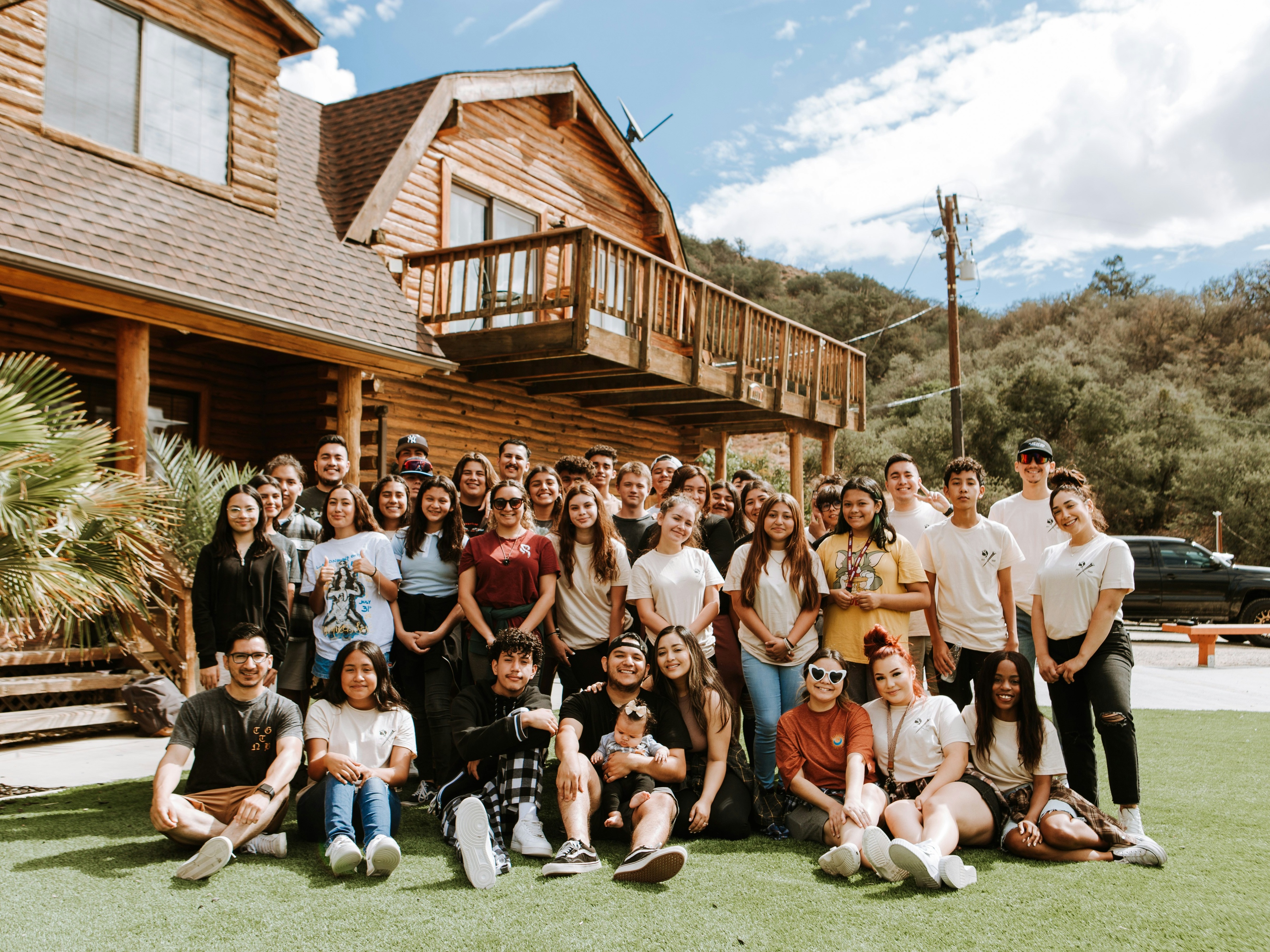
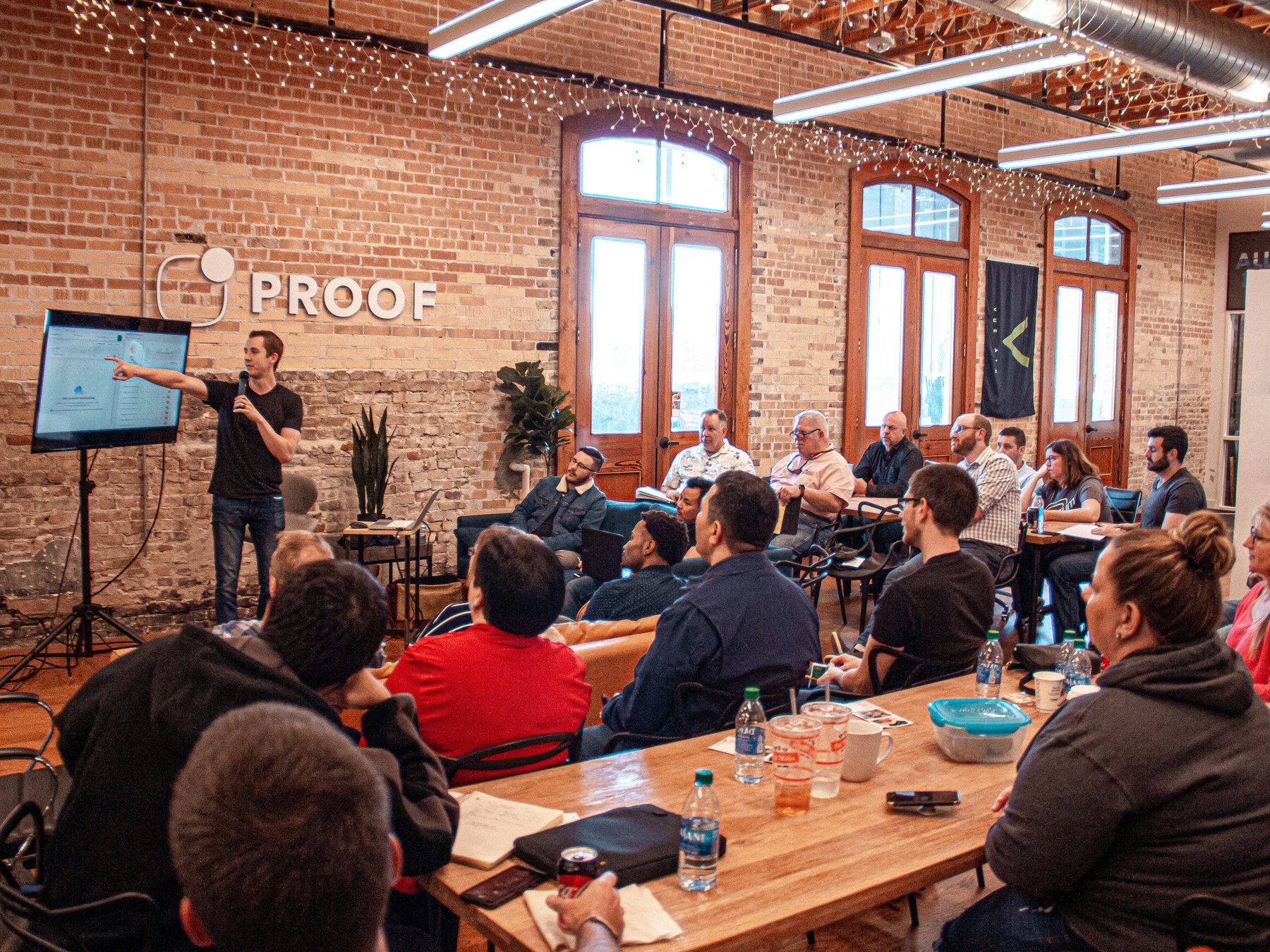
team photo at company offsite in the woods
What We Do

Everything your program needs. One partner.

Strategy & Planning

Start with the Goal, Not the Venue

We start by asking what your team needs to get out of the offsite. Whether you are celebrating a milestone, pushing through a critical launch, or rebuilding trust after a leadership transition, your objective dictates everything else. We design the agenda, select the destination, and structure the meals to ensure you achieve that goal.
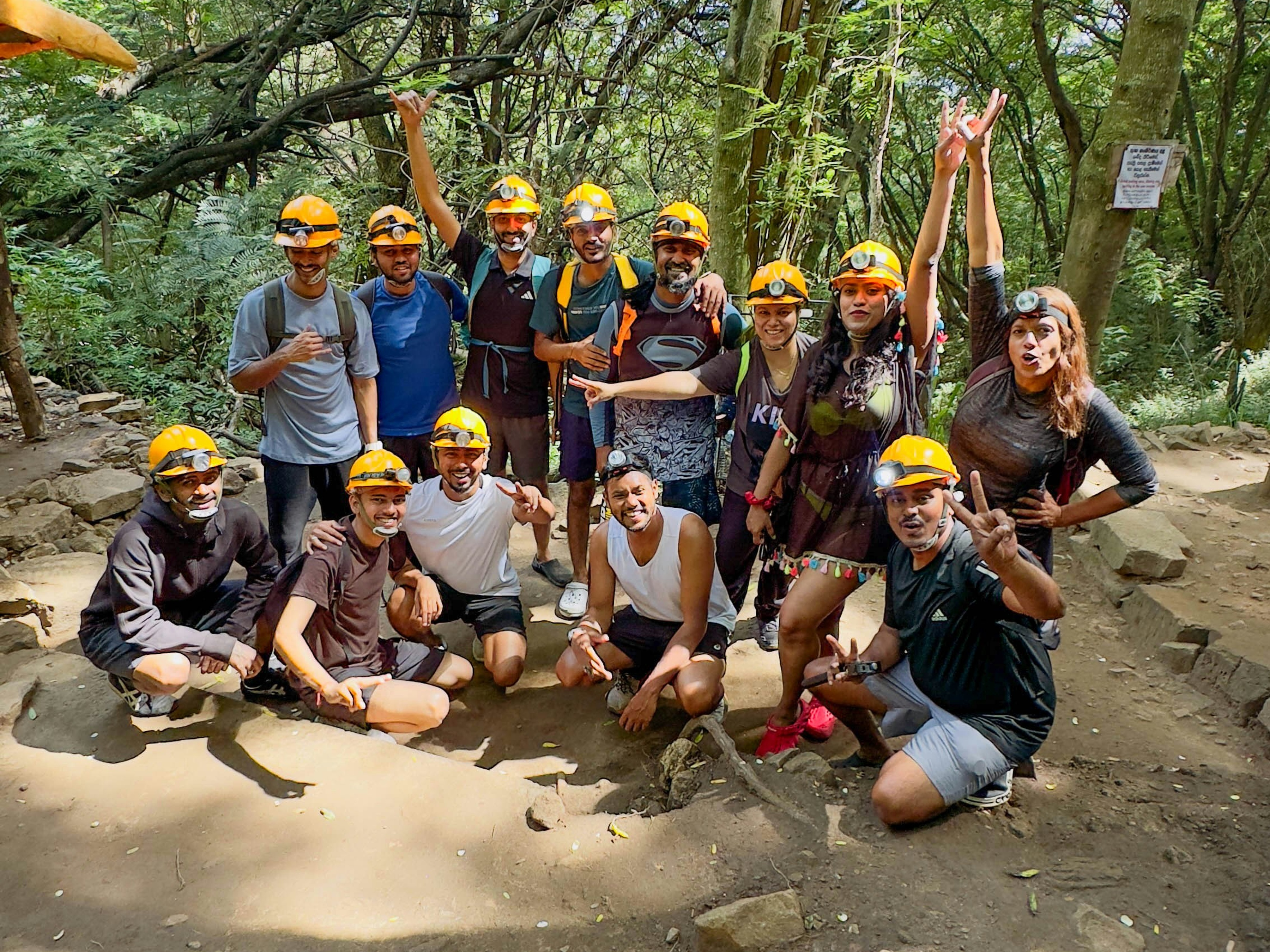
team building activity during Costa Rica offsite
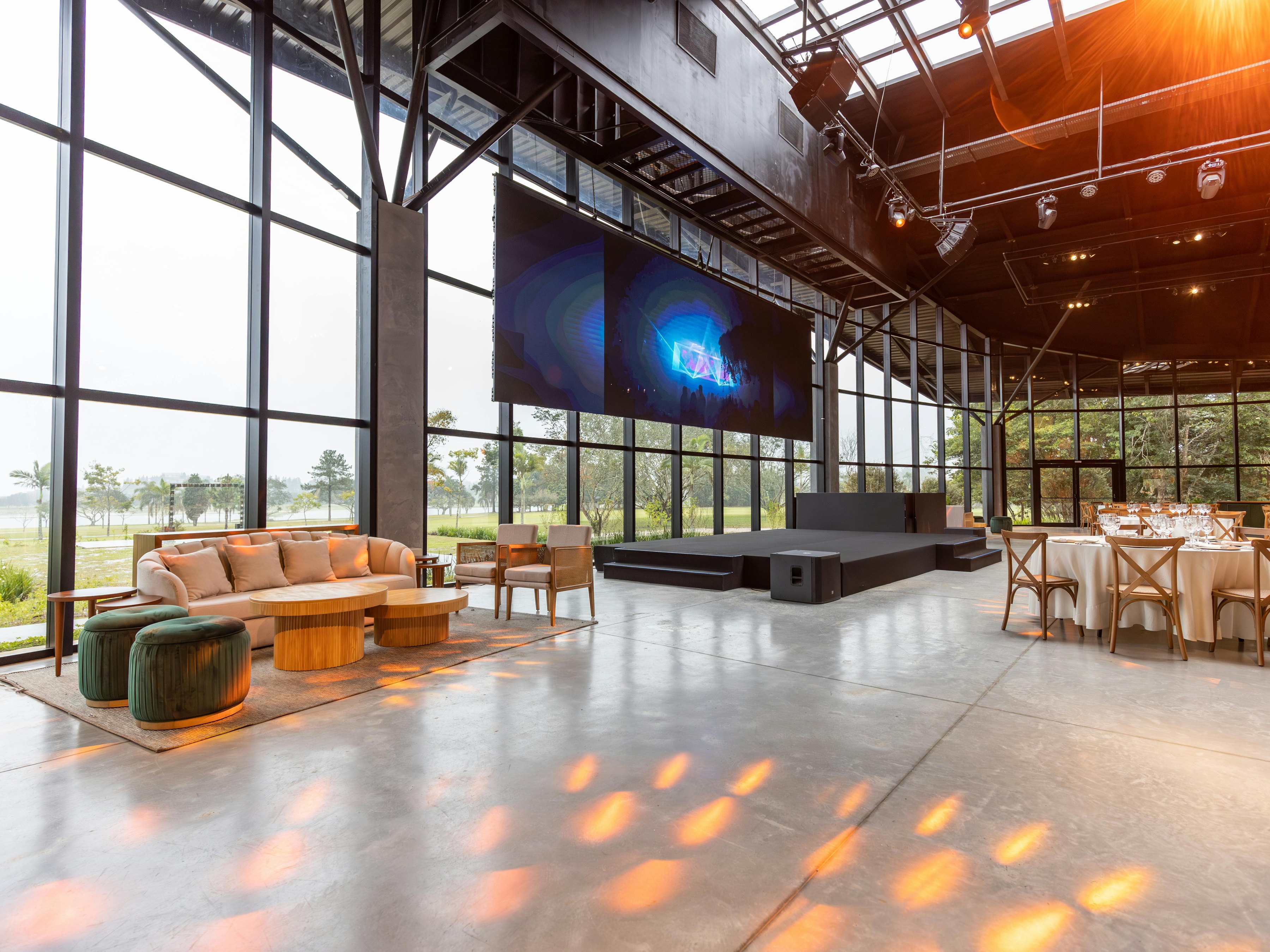
open conference space for corporate offsite
Destination & Venue Sourcing

Spaces that serve your purpose.

Once we know your objective, team size, and budget, we present venues that align with your desired outcome. If the goal is deep focus and fast decision-making, we find a distraction-free environment that maximizes productivity. If the goal is celebration and bonding, we secure a spectacular resort that makes your team feel valued.

Agenda & Experience Design

Balancing rigorous work with genuine connection

We build agendas that balance corporate rigor with the right amount of downtime. We ensure your team has the exact room setups needed for cross-functional sessions or large presentations. We also protect their free time so they return to work refreshed, not drained.
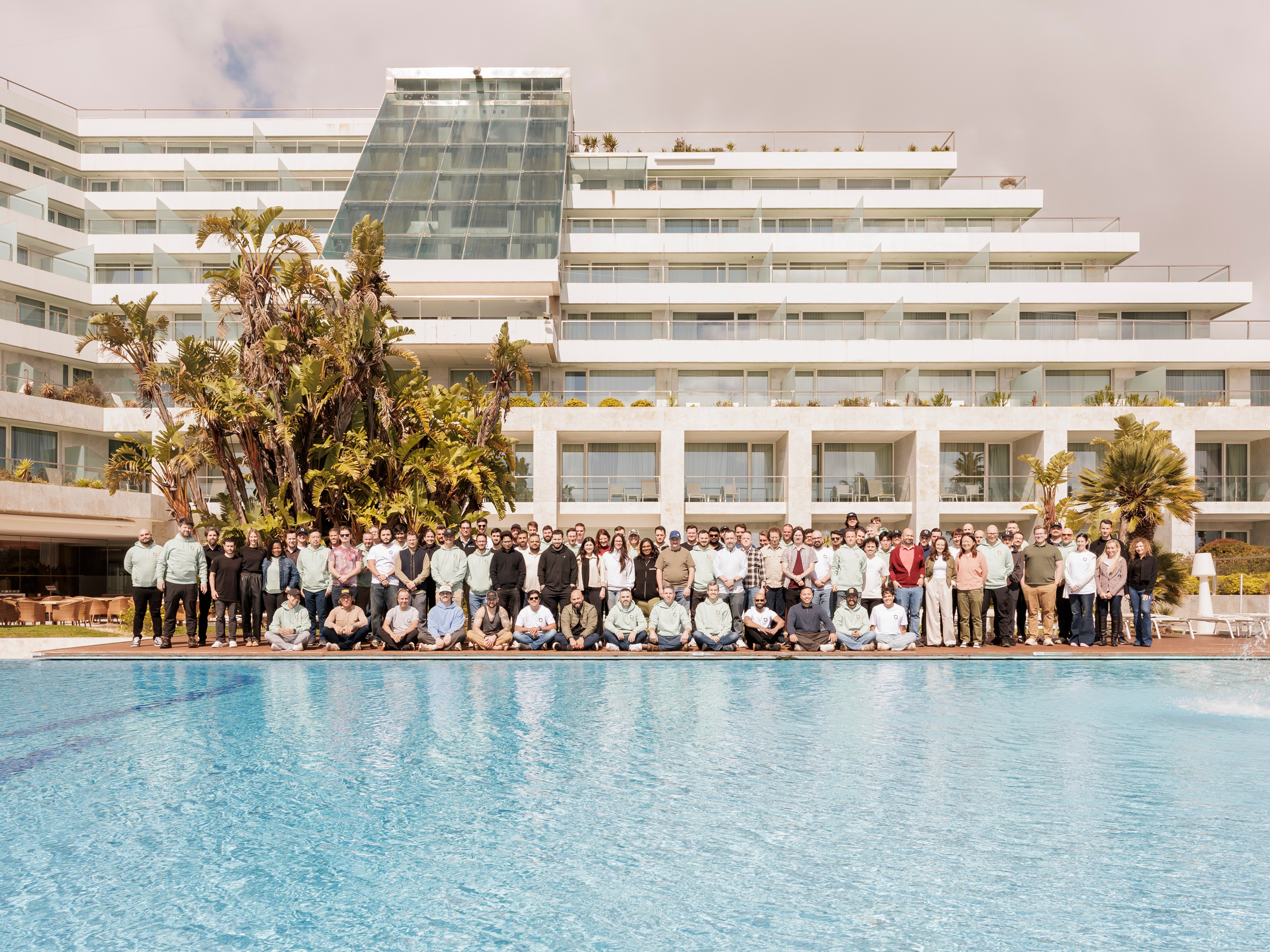
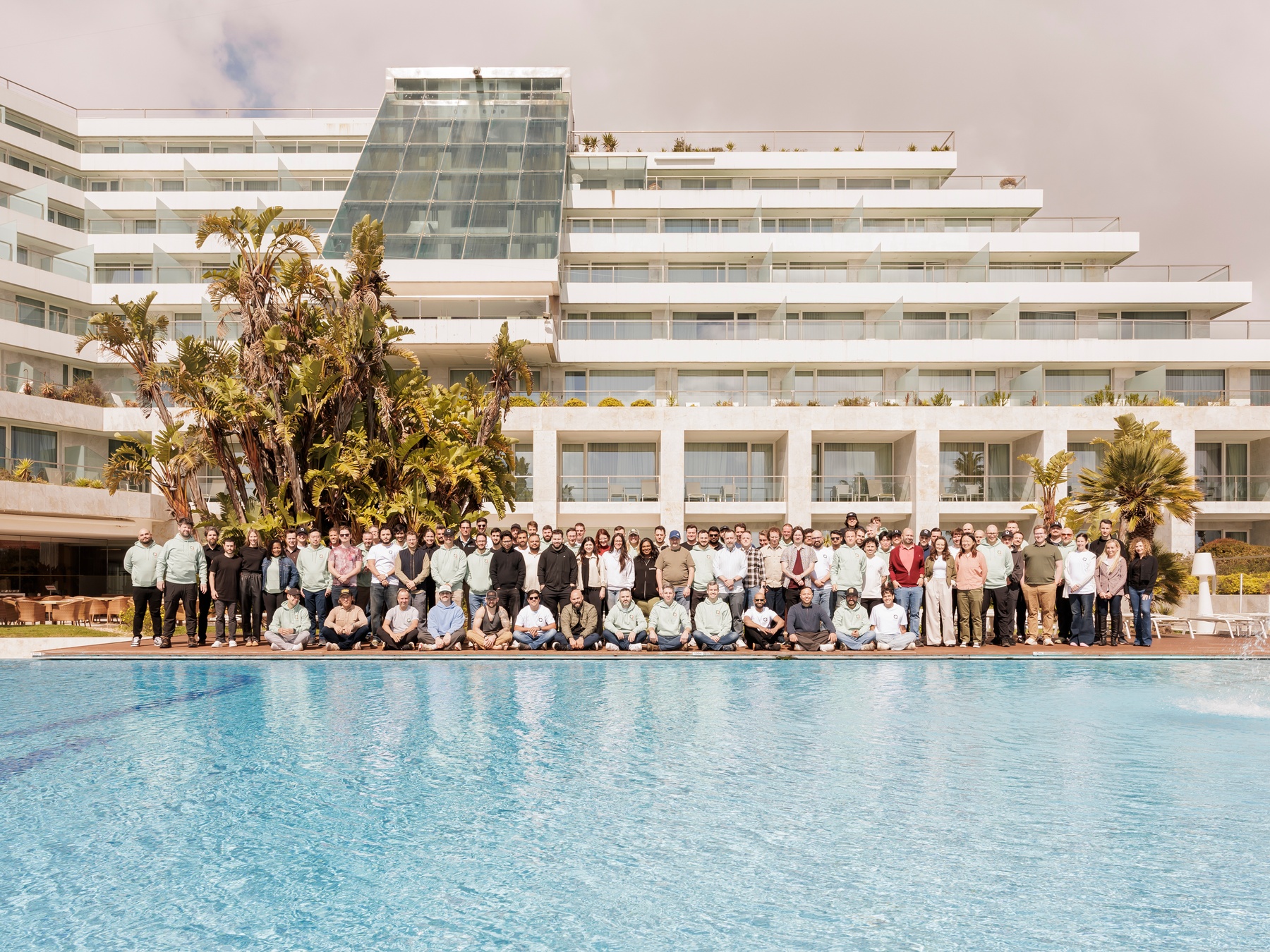
team photo from Portugal offsite
Execution & Logistics

We manage the details so you can lead.

We handle airport arrivals, check-in, branded merchandise distribution, meal dietary restrictions, and the steady stream of questions from attendees. Your Chief of Staff, Director of Finance, or whoever typically inherits the planning burden can be present as a participant, not the event planner.

The ATC Difference

We think about outcomes first.

Before we discuss venues, we ask what your team needs to walk away with. The destination, venue, and agenda are all designed to serve that answer. On offsite without a clear objective is just a very expensive and distracting vacation.

We understand agenda design.

The structure of a day determines whether people leave energized or depleted. We build agendas that deliver commercial rigor and protect enough downtime that people can absorb it. Done right, you experience immediate ROI with motivated and aligned employees.

One contact. Full accountability.

An attendee delayed a day or a coffee break that needs to be moved up 30 minutes, on-site problems require immediate action and cannot be by an app. We are on the ground for the duration, catching issues before they surface and handling them when they do. Your team should never have to stop what they are doing to manage a logistics problem.
Frequently asked questions

Does Affinity Travel Co have to plan every part of our offsite, or can we hire ATC for just specific work streams?
Our packages range from fully-managed offsite planning and coordination — covering strategy and goal-setting, venue sourcing and contracting, air, ground transportation, restaurant selection and menu planning, agenda design, A/V and production, on-site staffing, attendee communications, and post-event reconciliation — to single-service engagements like venue selection and contracting only, or on-site coordination only. We will work with your team's time and budget to shape a partnership that delivers value without wasting money.
What's included in a fully managed offsite versus DIY?
A fully-managed offsite covers strategy and goals definition, venue sourcing and contracting, air, ground transportation, restaurant selection and menu planning, agenda design, AV and production, on-site staffing, attendee comms, and post-event reconciliation. DIY usually means an internal owner negotiating venue alone — fine under 30 people, but at 50+ the contract-and-comms load typically eats 20-40 hours per week of someone's time for the two months pre-event.
How far in advance should we book a corporate offsite for 50-150 people?
Plan to lock in venue and dates 8-10 months ahead for groups of 50-150, and 9-12 months for peak season (September-October, January-February). Last-minute bookings inside 90 days are possible but typically cost 15-25% more in venue fees and force compromises on destinations and venues.
How long should a corporate offsite be?
Most effective corporate offsites run 2.5 to 5 days, with 3 full days being the most common length. Two-day offsites work when your team already sees each other with some frequency, like for companies than do semi-annual retreats. Four or five-day offsites work for international destinations where travel time itself consumes a day.
How much does a corporate offsite cost per person in 2026?
Corporate offsites in 2026 typically run $2,000–$5,000 per person for a 3-day program in a domestic destination, with $3,000 being the most common figure for mid-size companies (50–150 attendees). Costs scale by destination and group size: a domestic offsite in Austin or Denver lands at the low end; an international offsite in Lisbon or Costa Rica typically sits at $4,000–$6,000 per person. The figure includes flights, hotel, meals, ground transport, activities, A/V, swag, and planning fees.
How do you handle attendees flying from multiple cities?
We map flights from every attendee origin against shared arrival windows, then negotiate group fares whenever there are hub cities with 10+ travelers, which can save 10%+ versus individually-booking flights. For non-hub cities, we can either assist with individual bookings, or companies often just give the employee a flight budget and they'll book it directly. In the arrival city, we coordinate ground-transport pickups in waves so nobody waits at the airport more than 30min.
Can an offsite combine strategy and team building?
Yes — but the structure matters. The best offsites separate strategy work and team building/culture/networking into distinct, structured blocks rather than trying to weave them together inside a single session. Mixing the two creates cognitive whiplash and leaves attendees exhausted rather than energized. Equally important: build in unstructured time — free blocks, working sessions, and email windows — so employees can decompress, catch up on what they are missing back at the office, and stay present for the planned content. This rhythm of focused work, focused connection, and breathing room is what prevents offsite burnout.
Do you handle dietary, accessibility, and international travel requirements?
Yes. We collect dietary and accessibility data through an attendee intake form four weeks before travel, then translate it into per-attendee briefs that the venue and ground operators receive 14 days out. For international groups, we provide step-by-step visa instructions for any guests required to apply for a visa or get an Electronic Travel Authorization before travel.
Why do corporate offsites often fail, and how do we make ours actually work?
Most corporate offsites fail for three reasons: vague objectives (no one can articulate what success looks like, so sessions produce no actionable takeaways), agenda overload (cramming strategy and team-building into one event leaves people exhausted rather than energized), and venue-first planning (picking a beautiful destination before defining the goal, then forcing an agenda to fit). Offsites that work start with a clear objective ("we will leave with a finalized 2027 plan"), design the agenda backwards from that outcome, and use the destination as a tool to support the work — not the point of it.

Related Reading

Your next event should leave people better prepared to do their jobs. Let us help you build it.

Start the Conversation