The Location
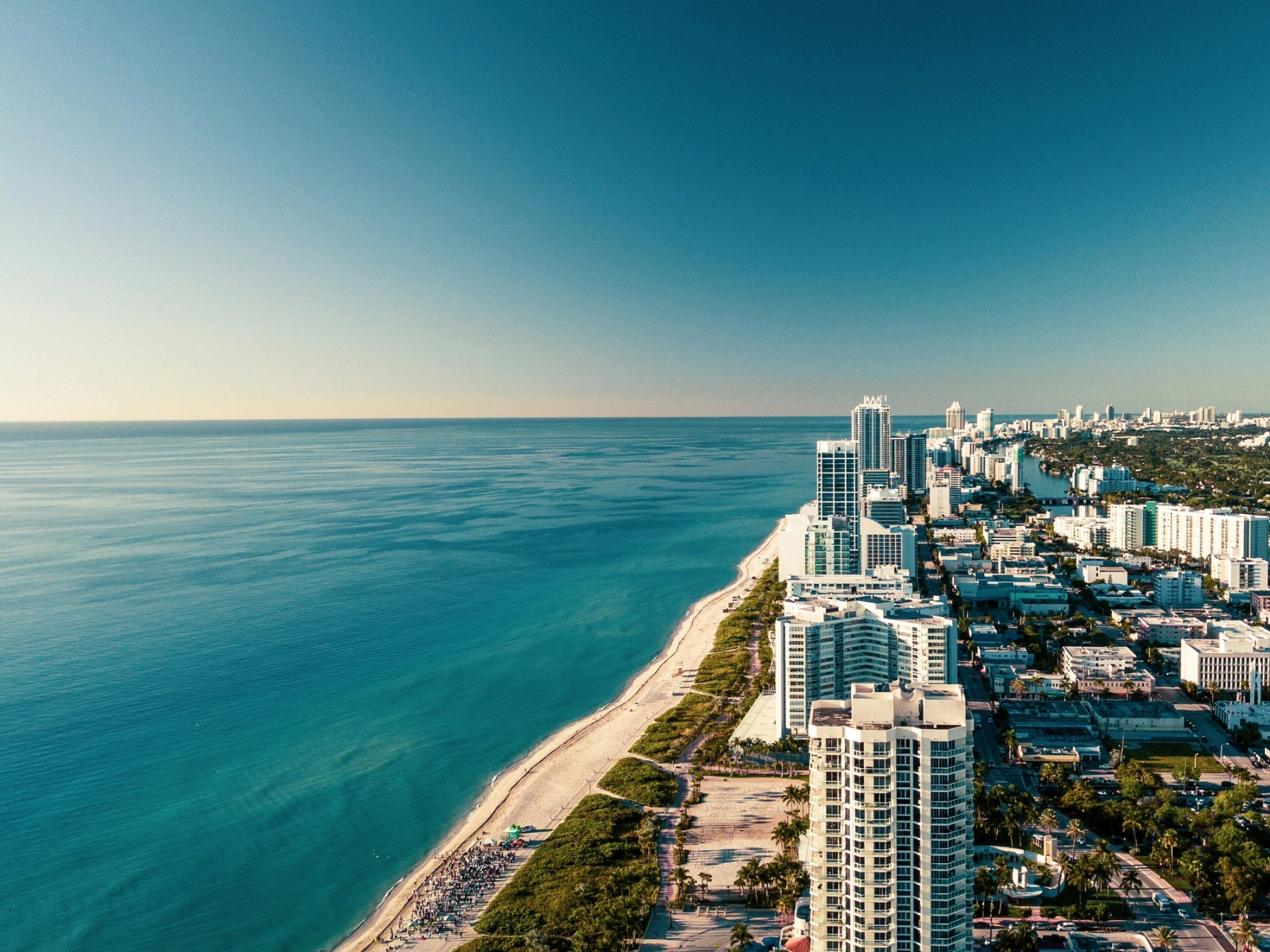
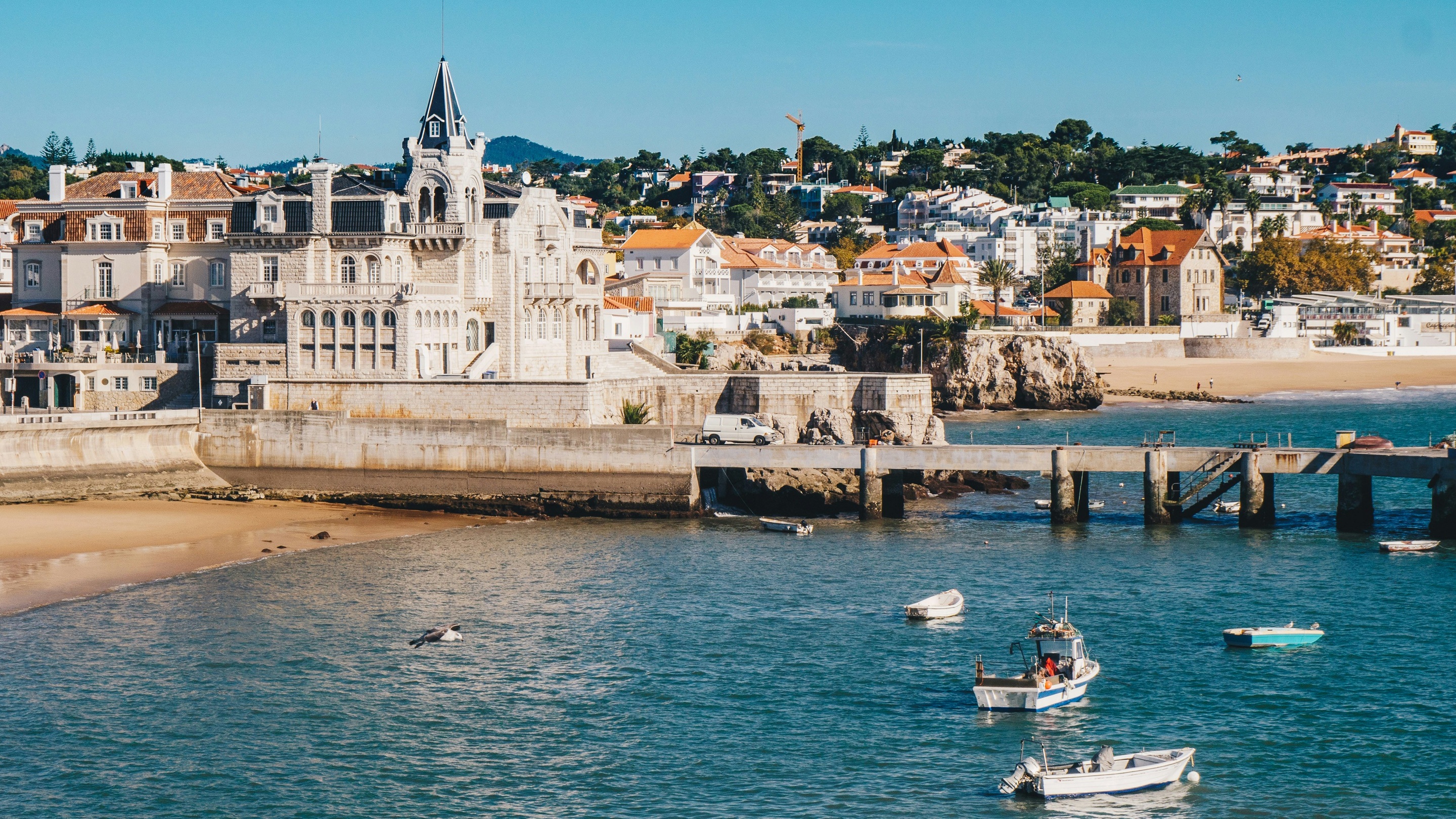
Initially scheduled for Montego Bay, Jamaica, the offsite was rescheduled after Hurricane Melissa to Cascais, Portugal.
The Challenge
A Series B blockchain infrastructure company had outgrown its internal offsite planning model. They had 130 employees spread across 20 countries and needed to find a location where the global team could be brought together but without requiring insane flight connections or drawn out visa processes. This annual offsite is the only time that the whole team gets together in person, and with many employees being 1 of 1 in their country, it was essential for culture and retention.
The event had historically been planned by the finance and people teams.By the fourth annual offsite as the team and corresponding logistics grew, planning had started to take over the working lives of two senior employees. The client needed an offsite that brought the global team together without turning internal leaders into event coordinators.
The Budget
The budget was $1800 per employee, excluding flights. The needed to cover single occupancy hotel rooms, meals, local transport, event space & A/V, local activities, and planning fees.
The Lisbon offsite same in at $1566 per employee.
The Objective
The offsite needed to deliver meaningful time together in person for a growing, fully-remote team and help new employees build relationships across regions and functions.
This needed to be accomplished in a destination that fit the following criteria:
- Max of 1 layover for the vast majority of attendees to reach the destination
- Straightforward visa requirements, if any, for a team with employees from 20 countries
- Hotel availability for approximately 130 single-occupancy rooms
What Affinity Travel Co. Did
1. Started with destination strategy
The client was initially interested in the Caribbean, so ATC evaluated destinations based on access, visa requirements, and group capacity. We narrowed it down to Jamaica, Dominican Republic, Curacao or St Lucia. These destinations could be reached either directly or with just one stop by a majority of the company and were visa-free for nearly every employee with a few exceptions. A 5* all-inclusive resort in Montego Bay was chosen for the ease of transfer (<20min) between the airport and resort, after prior years they had often been in venues 1hr+ from an airport.
2. Built the original plan around an all-inclusive resort
The first plan centered on an all-inclusive resort in Jamaica, which worked well for the client’s goals because it:
- Reduced transportation needs.
- Kept the group together.
- Gave employees easy access to meals, drinks, and activities.
- Limited the number of vendors and moving parts.
- Made it easier for employees to spend informal time with colleagues.
3. Rebuilt the event after a full destination disruption
Two months before the offsite, Hurricane Melissa caused extensive damage in Jamaica. The selected resort closed for renovations through November 2026, which meant the event could no longer proceed as planned in January. ATC immediately rebuilt the event from the ground up, finding new location and venue options that fit the same ease of travel and visa requirements.
After ruling out the Caribbean, where there was no availability on such short notice, the team chose Portugal. The company was opening a new office in Portugal, giving the destination a clear connection to the company’s next stage of growth. Plus, with a large contingent of employees already in Europe or on the East Coast of the US, it was still fairly accessible.
ATC now had under 3 months to plan and execute an entirely different offsite in a new location.
5. Redesigned the agenda for a city-based experience
Europe has fewer true all-inclusive options, so ATC did not try to force a resort model into a city destination. Instead, we built the program around Cascais. We selected a property that could serve breakfast and lunch to the group each day and had multiple different event spaces to give the group room for breakouts. We leaned into the vibrant local food scene privatizing Michelin restaurants to host dinners. We skipped organized group activities and instead gave guests a guide and recommendations on what to see and do within walking distance of the hotel in Cascais. This empowered employees to take advantage of the incredible destination without burdening the team in more logistics.
6. Solved for spending controls
The biggest issue with not being at an all-inclusive resort was how to enable employees to still order a drink, snack, or room service without creating a complicated reimbursement process or unexpected bill on the Master Account at the end of the week. ATC coordinated a simple structure with the hotel:
- Employees already had individual Ramp cards that could be used internationally
- The Master Account was “closed” to employee charges, preventing the team from racking up 100s or 1000s in unapproved expenses
- The hotel agreed that all incidental charges were to be paid immediately by the employee using their Ramp Card
- Each card had a daily spending limit, so the client would cover the allotted daily per diem of drinks, snacks, or other charges, but anything above what was budgeted and approved, would have to be paid on a personal card.
This process made check-out smooth so the finance team avoided a large post-event review of unclear room charges, but employees could still spend on F&B to enjoy the trip.
The Outcome
Despite the full destination pivot, compressed timeline, and last-minute flight disruptions through the Middle East, the offsite was delivered successfully.
Key results included:
- 90% of the employee base still attended in person
- The event earned a 82 Net Promoter Score.
- Employees consistently listed the off-site dinners as a highlight, which will help shape the approach to future events
- Employees valued the flexibility of the free time and being able to experience Portugal beyond just sitting in a conference center. The city setting became one of the strongest parts of the experience.
Key Learnings
Build the backup plan before you need it
High-investment company events carry real risk. Weather, infrastructure damage, venue closures, and flight disruptions can happen. A dedicated planning partner gives the client a path forward without handing the crisis back to the internal team.
Let the destination do real work
An all-inclusive resort can reduce logistics, but it can also make the destination feel interchangeable. Portugal gave the team a stronger sense of place through local dinners, walkable free time, and a location tied to the company’s expansion.
Plan around jet lag
When most attendees are crossing time zones, early mornings are not the best time for high-value work. For future trips, the client will allow for later starts in the AM, making for higher energy and focus in the working sessions. It’s tempting with limited time together to pack the day 8am - 8pm, but that rarely enables people to do their best work.
Giving pre-work before the event so the team can be very focused and intentional when together will enable you to get more done, in less time.
Control spending before it becomes a reconciliation nightmare
Clear hotel billing instructions and individual card limits prevented small charges from becoming a finance burden after the event. All-inclusive resorts are a great option for budgeting, but you can work with your hotel to control the budget even when there is not a single all-inclusive price.
Why It Mattered
This offsite could have become a last-minute internal crisis. ATC gave the client one accountable planning partner through the original strategy, the emergency destination change, and the final on-site execution. The result was an offsite that helped a remote team connect in person, supported the company’s new presence in Portugal, and kept internal leaders focused on the work only they could do.