The Location
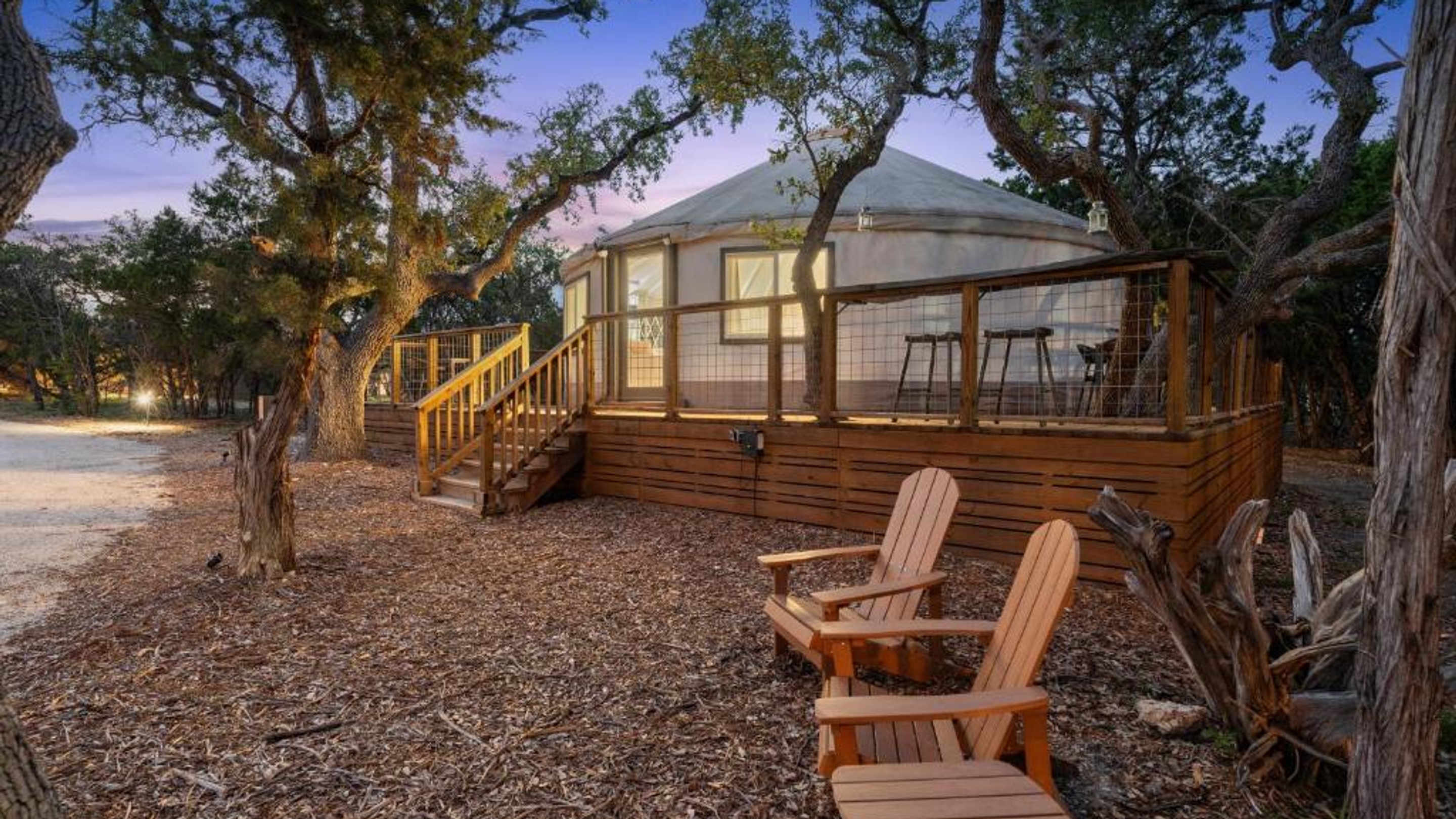
Private camp-style retreat in Texas Hill Country, outside Austin, TX
The Objective
The client had recently raised a Series A and grown from roughly 18 to 40 employees in six months. This was their first offsite with the larger team.
Their goals were to:
- Build stronger team connection after a period of fast hiring.
- Integrate new employees into the company’s culture and working rhythms.
- Align the whole team around sales strategy, as they had big new MRR goals for the year.
The offsite needed to feel like the company’s earlier retreats, close-knit and informal, while working for a much larger team.
The budget
The budget was $1400 per employee in single occupancy including the venue and accommodations, all meals, transportation, and activities. Flights were not included in this budget.
The offsite came in at $1416 per employee after also accounting for the planning fees and swag. Flights averaged $420 per employee for round-trip from their home cities to Austin, TX.
What Affinity Travel Co. Did
1. Found a venue that fit the culture
The client had historically rented large homes where the team could stay together. For 45 people, that model no longer worked. We sourced a retreat-style property in Texas Hill Country with:
- Enough cabin-style rooms that each employee had their own bedroom and bathroom
- Shared outdoor space including a pool, pickleball courts, and a fire pit
- Indoor space for presentations and formal breakout sessions, as well as lots of lounge space for the team to hang out and socialize
The venue kept the close-knit feeling they had loved from earlier, smaller retreats without a stuffy or corporate feeling of a hotel.
2. Built the agenda around revenue goals
We planned a sales call-a-thon where cross-functional teams worked a list of prospects and competed to see who could set the most new appointments. With their ambitions MRR growth goals for the year, they need the whole company aligned on a) the importance of closing new revenue and b) the most effective pitch.
The session helped the client:
- Bring product, engineering, customer success, and leadership into the sales conversation. It built empathy across teams for the challenge of sales.
- Give non-sales employees direct exposure to prospect questions and objections, which can be directly addressed by product and engineering
- Keep their pipeline alive and sales motion going, even during the offsite
3. Executed a client dinner in Austin
The Austin region was selected as the destination since many of their clients were based there and we could kill two birds with one event.
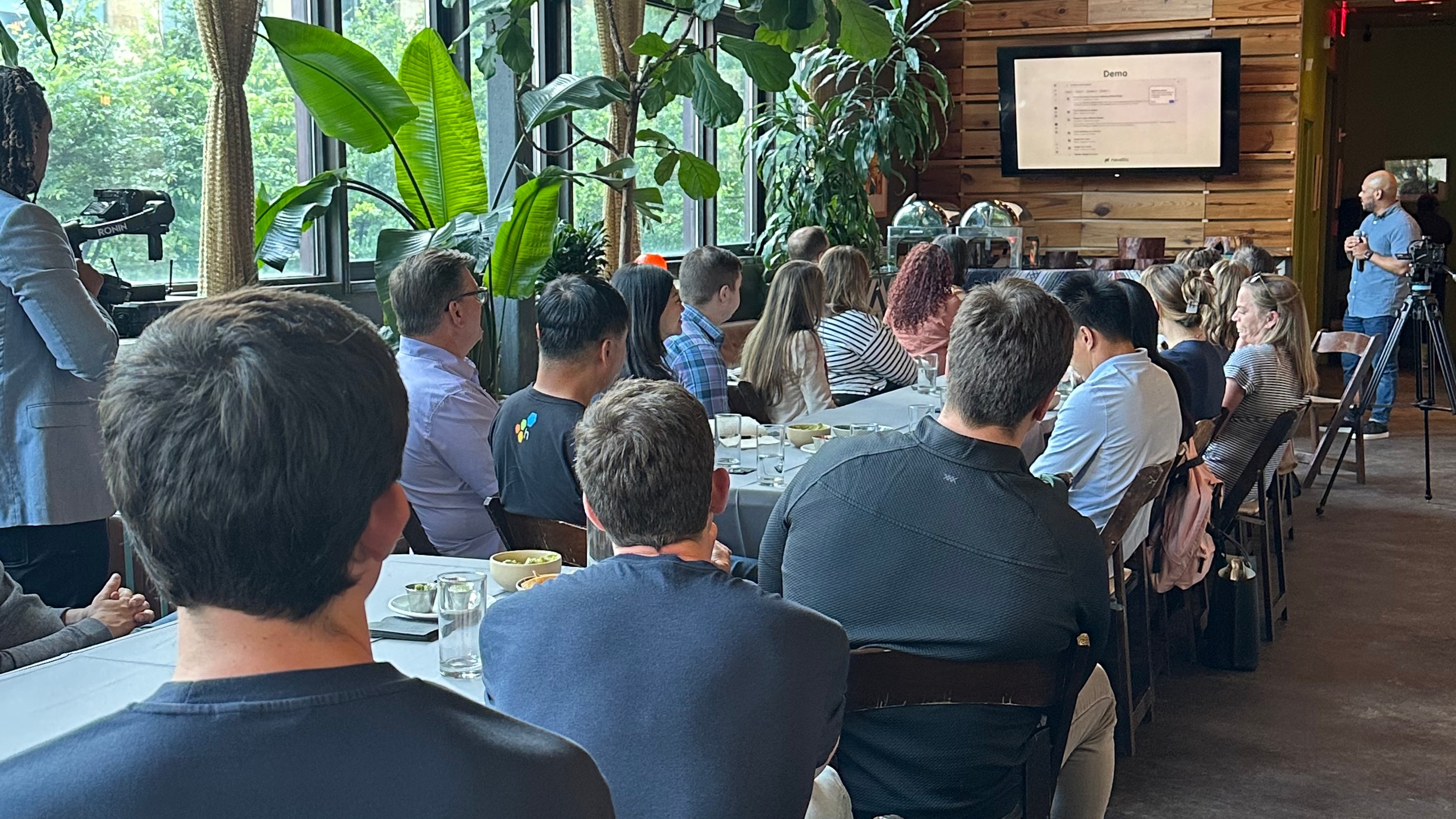
We planned a special dinner for 12 current clients, select prospects, and their full internal team. At the dinner, current customers gave short use-case presentations that acted as live testimonials. These helped support conversations with prospects and showed other clients new ways to get more value from the product. We hired a film crew to create marketing content the company could use to highlight the success of the event. The dinner gave the C-suite and customer success team face time with customers they otherwise would have seen through virtual check-ins, and saved them money on future travel.
4. Solved the remote-meal challenge
The venue was about an hour outside Austin and too far from restaurants for easy group meals. To make the location work, we:
- Placed an on-site coordinator at the property with a rental car
- Managed catering orders for lunches and dinners
- Coordinated a grocery run for breakfast and snacks
- Planned local restaurant deliveries, including a farewell dinner from Salt Lick BBQ
The on-site coordinator allowed the client to keep the remote, camp-style setting without burdening any of their own team members with cooking or daily logistics.
The Outcomes
The offsite earned a Net Promoter Score (NPS) of 87. Post-event survey results showed that the event met the client’s main goals. Over 80% of respondents agreed or strongly agreed that:
- The offsite was a good use of time
- They could do their jobs better after attending
- They had a clearer understanding of the sales strategy
- They felt more connected to the team
The CEO, who had previously planned the team retreats and often spent 80 hours per event, estimated he spent only 15 hours this time. That time savings was highly valuable because he could stay focused on growth and new revenue instead of event coordination.
Key Takeaways
1. Do not overfill a multi-day agenda
A longer offsite, in this case a four nights, needs built-in quiet working time. Employees still need space to answer emails, handle urgent work, and decompress. Working blocks and free time help the event feel useful instead of exhausting.
2. Plan meals before finalizing a venue
When looking at a venue in a remote location, food logistics need to be solved early. The group cannot simply walk to a restaurant for dinner or order lunch on Uber Eats. Before booking, confirm:
- What local catering delivery options are available? EZCater is a useful tool for this.
- Is there a kitchen on site for food storage and meal prep?
- If you need groceries or meal pickup, how will you arrange delivery? Does someone need a rental car?
- For meals off site, are transportation costs included in your budget? It is not just the cost of the meal. It is also the cost of getting the whole group to and from the restaurant.
3. Use the location to create more value
Consider selecting locations that overlap with hub cities for your clients. Adding a client dinner, advisory session, or customer story event can help increase the ROI of your travel spend.
The team is already gathered, and you are already paying for a meal. Adding a few extra people to a large meal is not very expensive, but it can have strong returns. It can eliminate the need for a separate future trip and make existing clients and prospects feel valued because they got to spend time with you in person.
4. Know when planning has outgrown the internal team
A 40 person offsite is a real workstream. Venue sourcing, meals, transportation, attendee questions, agenda flow, vendor coordination, and on-site support take time. Delegating that work protects the team’s focus.
As a leader, just because you can do something does not mean that work is the highest value to the company. Delegation, internally or externally, gives you back time to do the higher-ROI work that is mission-critical and role-critical.