Why Costa Rica?
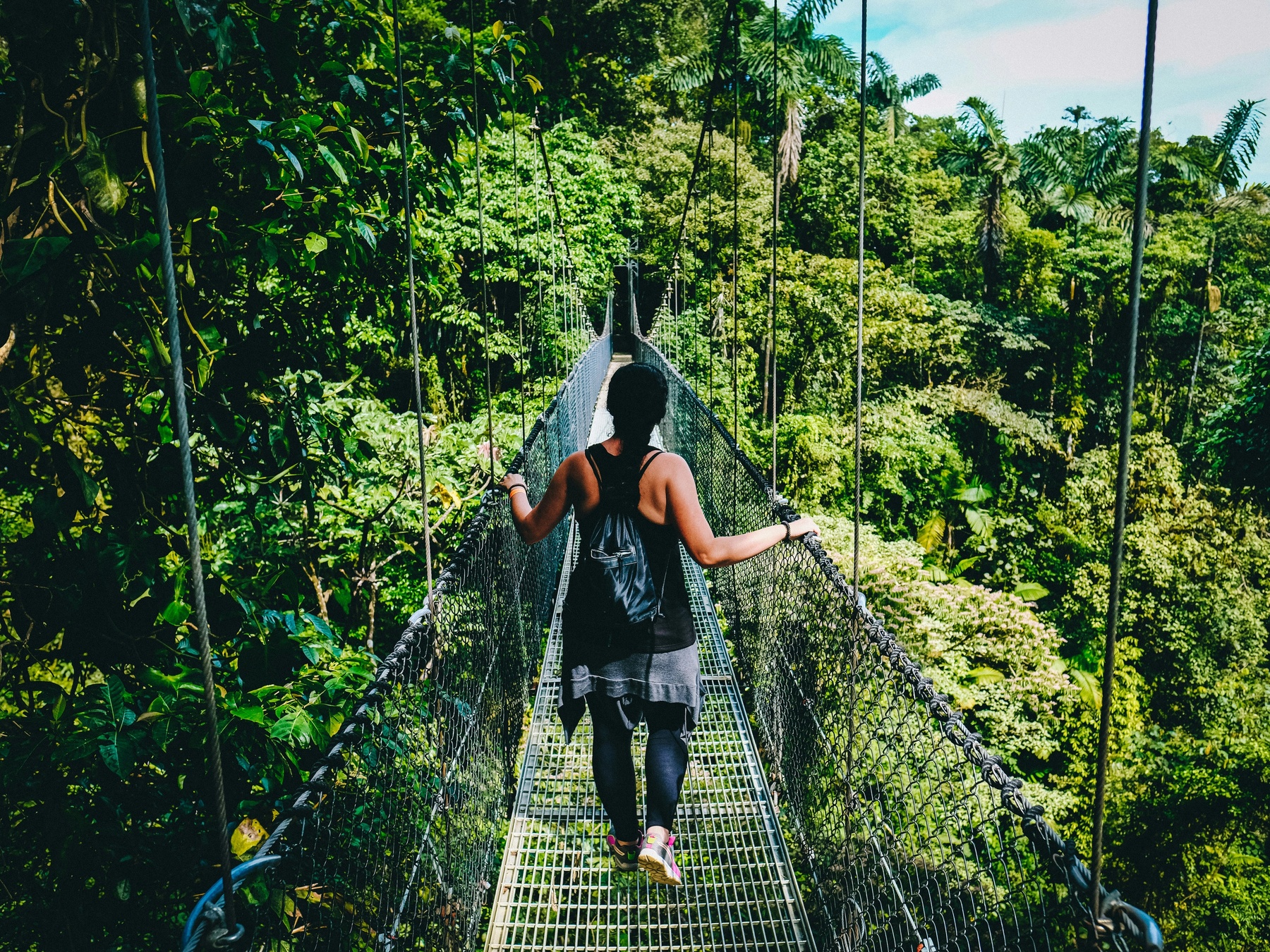
Costa Rica works for a President's Club trip because it gives your group two completely different day-parts via one short flight: a rainforest morning and a beach afternoon, and nobody has to fly overnight to get there.
Here's the order to select things in: month first, then airport, then region, then resort. Many people go the other way, which ends up punishing their winning sales team with hours of ground travel in a cramped van.
One inviolable rule: no more than two hours of ground transfer on any day of your program. Break this and you've turned your reward into a slog.
Below, we’ll cover: your four region options with real drive times, a five day agenda hour by hour, flight management, and the six things that go wrong.
Choose the month first
When should you go? Costa Rica's Pacific coast experiences dry season roughly from December through April, and a green / rainy season from May through November with the heaviest rain in September and October.
During green season, an afternoon downpour is normal, roads to some places wash out, and your outdoor dinner is inadvisable. Simply put, rates drop for a reason.
January and February are your safest weather months and therefore the most expensive ones. Late April and early May often offer dry-season weather at green-season pricing, and that shoulder is where we book most often.
But Costa Rica is in demand either way, with 231,678 arrivals by air in April 2025, up 4.6 percent from 221,573 in April 2024, and US visitors up 3.3 percent, according to the Costa Rican Tourism Institute. Book 8 to 10 months out for dry season dates.
Select the airport second
Which airport? That choice decides your base region, so decide with purpose.
Liberia, in the northwest, puts your group 30 to 90 minutes from the Guanacaste beach resorts. Flight selection is worse, but the extant flights typically come from major US hubs and land you close to local hotels.
San José, in the central valley, has far more flights and much better connections. But almost nothing you want is nearby, so expect between 2.5 and 3.5 hours by road to reach either Lake Arenal or Manuel Antonio National Park.
Beach-based program? Fly into Liberia even when San José is a bit cheaper, because the fare difference rarely covers three hours of van at both ends of your week.
That's what most planners focus on, to be honest. Amex GBT found cost is the top factor in choosing a destination at 38 percent, with ease of travel right behind at 37 percent and safety at 34 percent, from 601 professionals across eight countries.
The four regions
Where do you actually base a group of 20 to 40? Four reasonable answers:
- Papagayo and Guanacaste. Beach resorts, large villas, short transfer from Liberia. Best for a group that wants one base and no driving. Driest region in dry season.
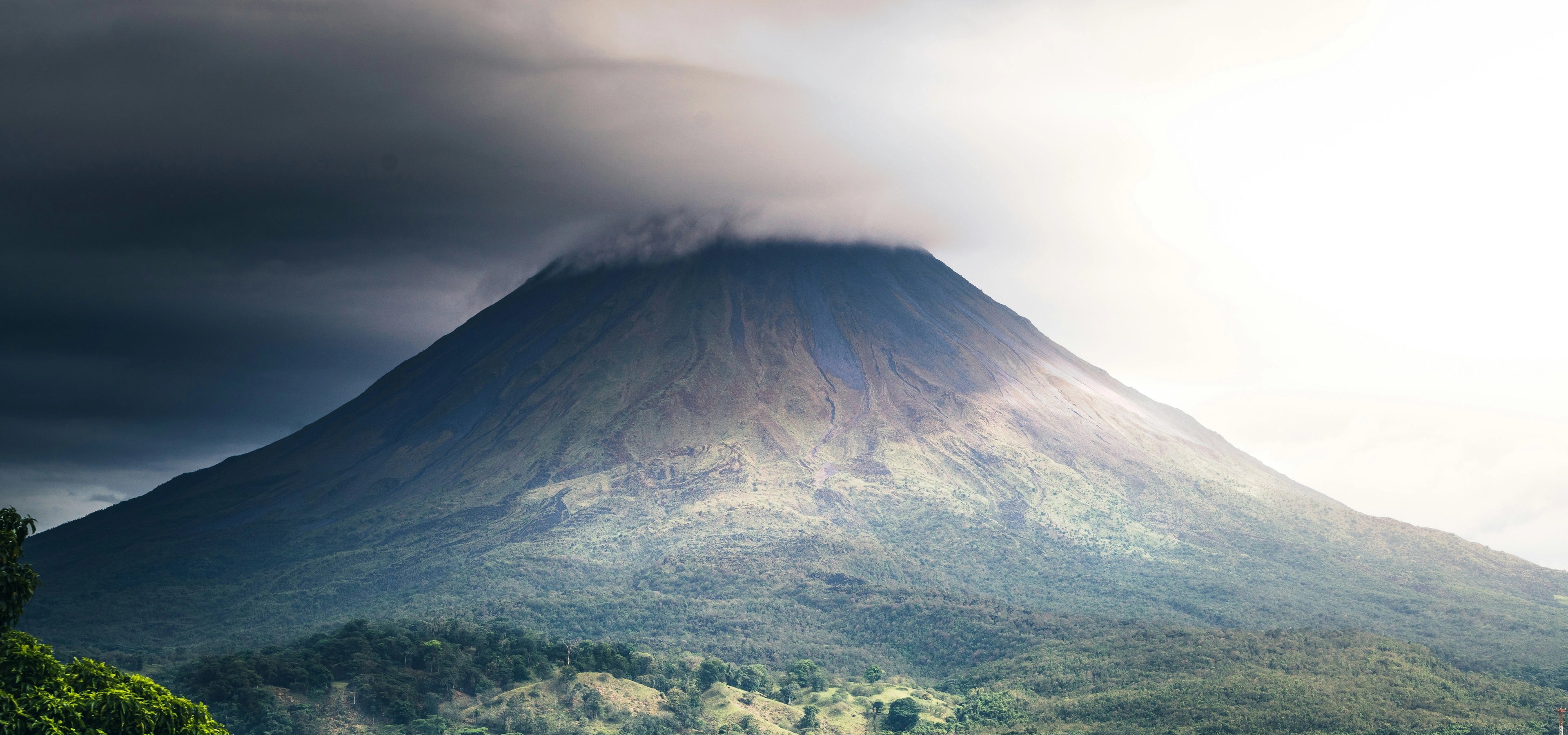
- Arenal and La Fortuna. Volcano, hot springs, hanging bridges, waterfalls. About 3 hours from San José and 2.5 to 3 from Liberia. The best activity density in the country, at the cost of a long ground transport.
- Manuel Antonio. Rainforest meeting the Pacific, wildlife in abundance, roughly 3 hours from San José. Smaller properties, so a group over 30 might have to split across two hotels.
- Monteverde. Cloud forest. The road is rough and slow, so it's a bad base for an incentive group. Go as a day trip if you must, ideally from Arenal.
Can you combine two of them? Only Guanacaste with Arenal, only with an overnight stay in each direction, and only if you're willing to lose most of a day to the drive.
Try to stick to one homebase.
The five day agenda
Here's what works best for a group of 20 to 40 arriving from across the US. It's deliberately emptier than most itineraries you'll be shown by a resort that would rather sell you excursions:
Day one, arrival.
- Flights land through the afternoon. Private transfers by arrival time, not one group bus, because one late flight strands everybody.
- 6:30pm. Welcome reception, outdoors, with a covered backup. 90 minutes, no speeches over 4 minutes in length.
Day two, the big day.
- 8:00 to 9:00. Breakfast, open seating.
- 9:30 to 12:30. Two activity choices, both booked, both capped in group size. One active (rafting, zip line, catamaran), one gentle (coffee farm, wildlife walk, cooking). Everyone picks before the trip.
- Afternoon free. This is deliberate — do not fill it. You want to let your top people have fun and relax.
- 7:00pm. The awards dinner. Private space, 30 minutes of recognition maximum, seating assigned so nobody sits with their own manager or reports.
Day three, the reward day.
- Nothing scheduled before 10:00am.
- 10:00 to 4:00. Optional excursions — ideally get sign-ups before the trip.
- 6:00pm. Beach or poolside dinner, casual, no program at all.
Day four, the free day.
- 9:00 to 11:00. Breakfast and then One session, to set the tone for the next sales period. Ninety minutes, no slides.
- Rest of day free.
- 7:00pm. Final dinner, off property, the best meal of the trip.
Day five, departure. Transfers by flight time, breakfast open from 5:30am.
Notice how little of that is scheduled. That's the whole point: your reps have spent the last period sprinting nonstop, so what you're giving them is unscheduled time in an amazing place they'd never have booked for themselves. Every hour you add to the program takes one of those hours away.
What could go wrong?
Six things, but five of them are fixable in advance if you expect they're coming:
- Rain in green season. Every outdoor element needs a covered alternative confirmed in writing, not "we'll move it inside if needed."
- Single-lane bridges and mountain roads. Drive times are not what Google Maps says. Add 30% to estimates, and never plan a transfer at night on a mountain road.
- Flight timing. Many US flights arrive mid to late afternoon, so a day one morning activity is a fantasy. Build day one as a travel day with arrivals only.
- Activity minimums and caps. Rafting and catamaran operators have these restrictions. Book capacity appropriately for your group.
- Dietary needs at remote properties. Supply chains are longer. Send your list 30 days out, not on arrival.
- Partner logistics. Most attendees bring one. That can change your room count, your activity capacity, and your dinner seating. If you’re allowing spouses or other family members, set clear policies!
Budget notes
What should you plan per person? Start from the Incentive Research Foundation's figure: average spend per person on incentive travel is $5,100, up 4 percent over the past year.
The firms that spend most tend to see the most back: top firms spend nearly $3,000 more per salesperson on top sales trips than their peers. And budgets here are holding better than in meetings generally, with 50 percent of incentive buyers matching inflation in 2026 and 25 percent beating it.
Our post on President's Club cost per person breaks the number down line by line.
Where doing it yourself falls apart
Sourcing your resort is the easy part. Everything after it is the job.
Thirty attendees plus partners is 50 or more air bookings from 20 cities, arriving across a full day, each one needing a transfer around their actual landing time, which will of course be delayed.
Then come the activity contracts, the dietary needs, a private dinner venue that wants a deposit in local currency, and a written rain plan.
Then it's day one: someone cancelled for sickness, one couple has been rerouted through Panama City, and your reception starts in 90 minutes. Somebody has to solve all of that standing in a lobby in the jungle with no cell signal.
That's the argument for handing it over.
Affinity Travel Co. is a single partner that plans and executes corporate offsites, executive retreats, sales kickoffs, conferences, and incentive travel for groups of 10 to 500, booking and managing every vendor from venue and air to private dining and ground transport, with staff on site for the program.
We've delivered 30+ programs across 28 countries (including 9 Michelin-starred meals!), and our incentive travel program in Costa Rica is exactly this trip.
See how we run incentive travel, or inquire here. For the rules that decide who gets to go, read our incentive travel qualification criteria, and on choosing a venue, read why your offsite location matters.
Pitfalls to avoid
- Chaining three regions in five days. It reads beautifully and delivers 11 hours in a van to people who have flown all year.
- Flying into San José for a beach program. The fare saving rarely covers three hours of transfer at both ends.
- Booking green season without a written rain plan. "We'll move it inside" is not a plan, and September and October are the wettest months.
- Scheduling a day one morning. Most US flights land in the afternoon. Day one is arrival.
- Forgetting partners in the count. They change your rooms, your activity capacity, and your seating, and most budgets miss them.
Frequently asked questions
When is the best time for a President's Club trip to Costa Rica?
Should we fly into San José or Liberia?
Can we combine two regions in one trip?
How many days should the trip be?
What should we budget per person for Costa Rica?
What goes wrong most often on the ground in Costa Rica?