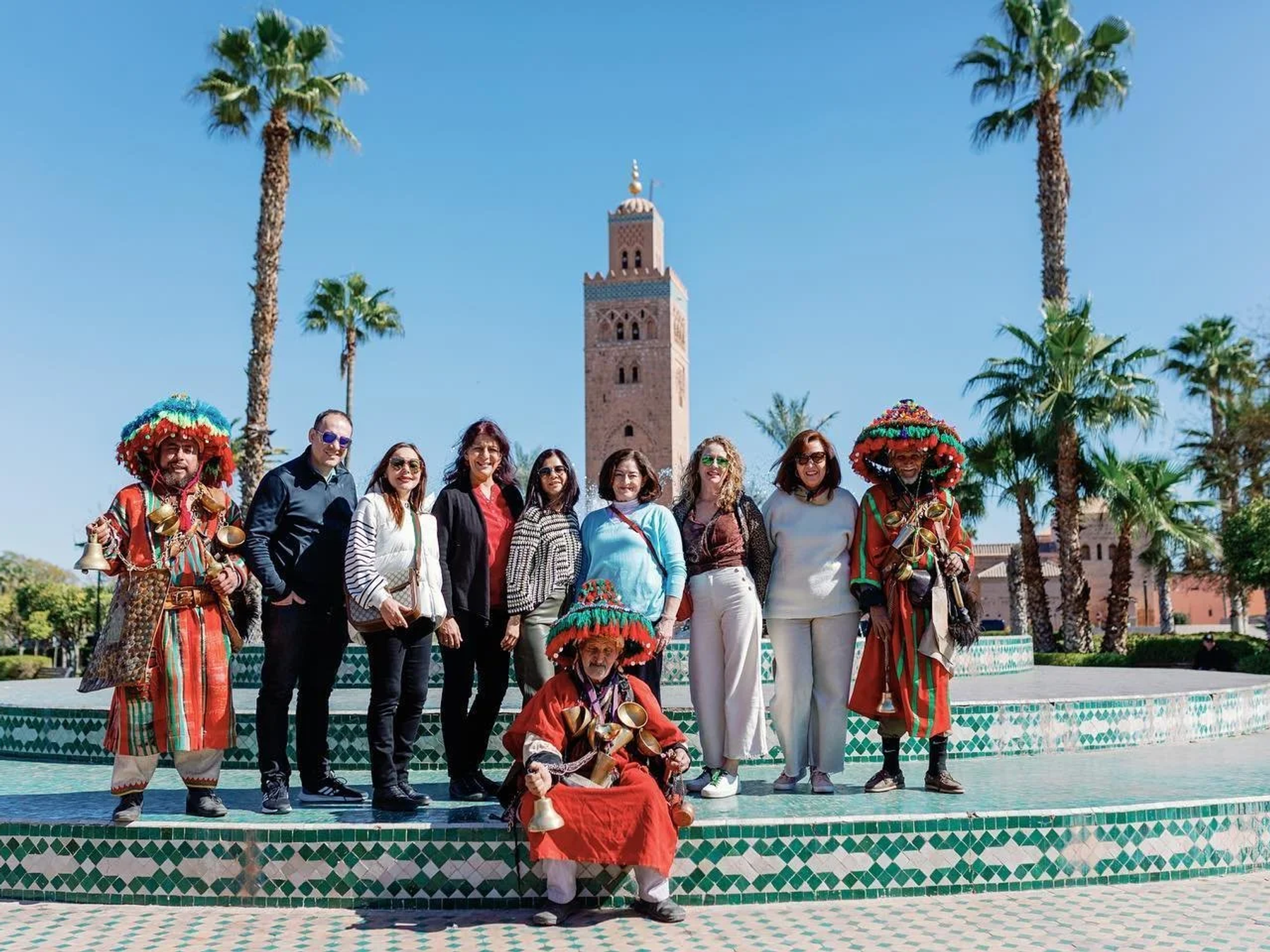
The Location
4 cities across Japan: Kyoto, Kanazawa, Nagano, and Tokyo

The Objective
The client was a women’s professional member organization in the greater New York City area. Members were management level and above in law and finance fields. The women joined the organization for a sense of community and networking.
They had tried running trips before, but usually it was a subset of members all booking on the same cruise or at an all-inclusive resort. The organization was minimally involved and the trips were more about hanging out with people you already knew than deepening member ties or loyalty.
But the organization leadership kept hearing about members really wanting to plan a trip to Japan. They decided to try stepping and taking a more hands on approach to a group trip this time, but they also didn’t have any expertise in group travel planning. Their goal was to run a trip that felt unique to their members and use this as a chance to drive new member signups. They needed a partner who would execute all the travel logistics and not add additional tasks to an already stretched thin board.
The Budget
The goal was to run a trip to Japan with luxurious, boutique hotels and all private experiences, without out the price tag that typically comes with private luxury travel. Affinity Travel Co accomplished this having the group spend more time in less crowded cities like Kanazawa, rather than the very expensive cities of Kyoto and Tokyo.
We also build in a 1 complimentary “trip host” spot for one of the organization’s leaders to attend the trip and a revenue-share to cover some of the organization’s overhead marketing the trip.
The per person trip price was $6595 per person in shared/twin occupancy.
What Affinity Travel Co. Did
1. Built the trip around the members’ actual interests
ATC started with the identity of the community and the interests members had already expressed. Museum and gallery visits as well as spa and wellness themed activities were the most popular local events the organization put on. So with this in mind the itinerary focused on art, culture, and wellness in Japan.
Tokyo and Kyoto were included, but the goal was to create a more unique itinerary. Kanazawa was selected for its preserved Edo-period art and architecture and a private onsen resort near Nagano was added for a local wellness immersion. The result was a trip that felt connected to the members, not a standard itinerary with the organization’s name added to it.
2. Made the experience private to the organization
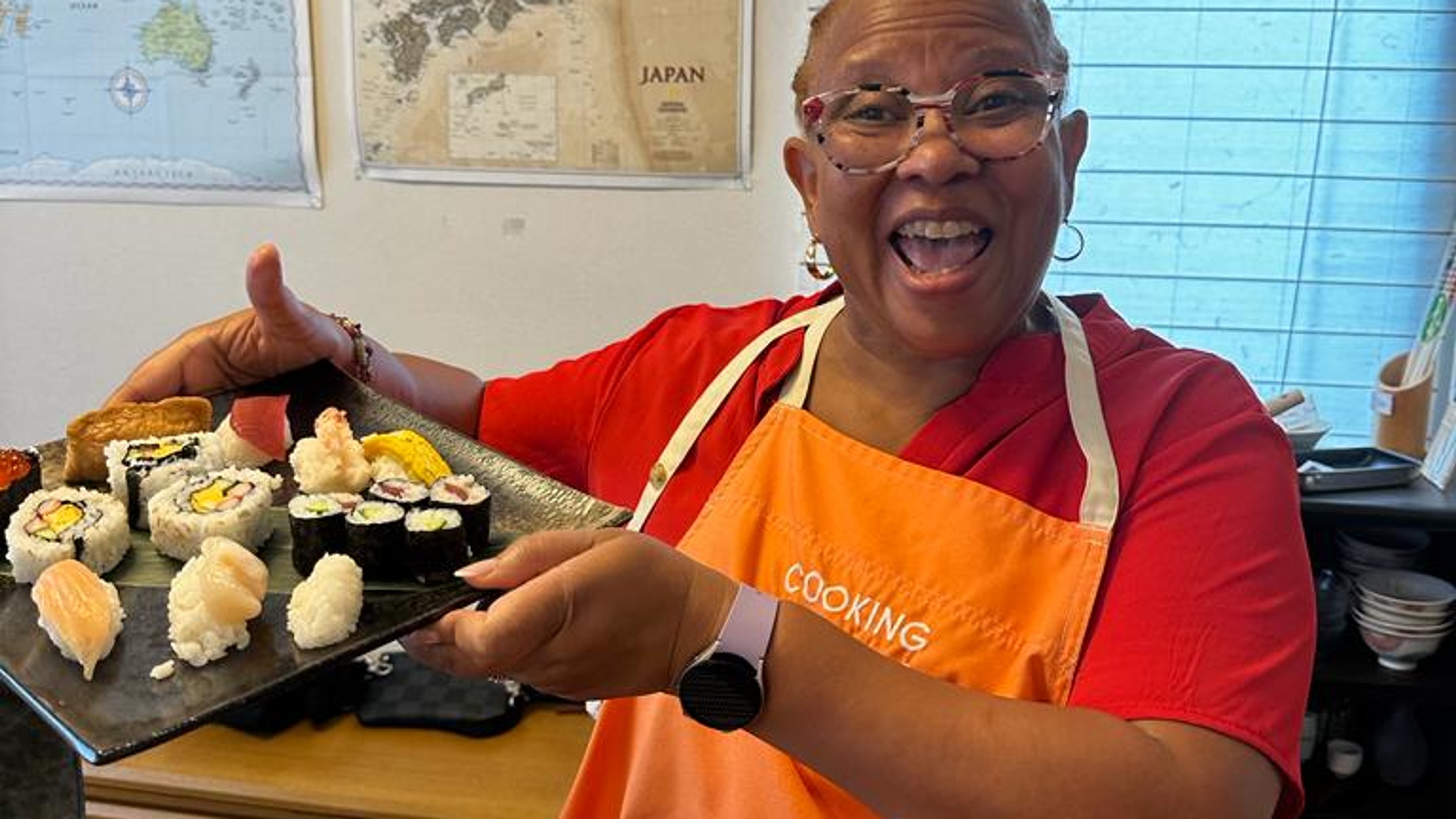
One of the client’s previous issues was that the trips did not feel special. Members were often part of a broader travel product rather than traveling as their own group. For Japan, ATC arranged a private guide for the full trip. The group was not folded into a larger tour. The itinerary, pacing, guide experience, and communications were built for them. That privacy mattered. It helped the organization deliver a member benefit that felt specific to its community and difficult to recreate independently.
3. Reduced the workload for the organization
The organization needed the trip to drive engagement, but the internal leadership could not take on a second job as a travel coordinator. ATC provided marketing and communication templates so the team promoted the trip without writing everything from scratch. After registration, ATC supported participant communications, including guidance on flight timing, travel insurance, and hosting pre-trip calls.
4. Used a referral incentive to bring new women into the community
ATC recommended a friend-focused promotion called the Gift of Gab. If a member brought a friend on the trip both travelers received a 5% discount. The incentive gave members a practical reason to invite someone new. It also gave prospective members an easy way to experience the community before joining.
The Outcomes
The organization launched the trip with a goal of 10 travelers. It sold out in three days with 16 participants.
Eight of the 16 travelers were new to the community. After the trip, five of those eight women paid their member dues to join the organization.
The trip also created demand for the organization’s next program. When the client began planning a second custom trip with ATC, this time to South Africa, half of the women from the Japan trip expressed interest in joining. Demand is strong enough that we are running two back-to-back small group departures to accommodate more members.
For the client, the trip did more than fill seats. It renewed interest in member travel, created a path to new membership, and gave the organization a travel product that supported both retention and revenue.
Key Takeaways
1. A trip needs to feel like a member-only benefit
If members can book the same vacation on their own, the organization has not created much added value. A strong member travel program should feel private, intentional, and connected to the community. The itinerary, guide, timing, and communications all need to reinforce the same message: this trip exists because of who the members are.
2. Travel can be a membership growth tool
Prospective members may not join an organization before they understand the value of the community. Travel gives them a direct experience of that value. The friend incentive brought new women onto the trip without asking them to commit to membership first. Once they had traveled with the group, met members, and experienced the community, joining became a much easier next step.
3. White-labeled support protects the organization’s relationship with members
The member organization stayed in front. ATC operated in the background, handling the planning, communications, guide coordination, and travel logistics that made the program work. That structure let the organization receive the credit while ATC absorbed the operational burden and travel liability behind the scenes.