The Location
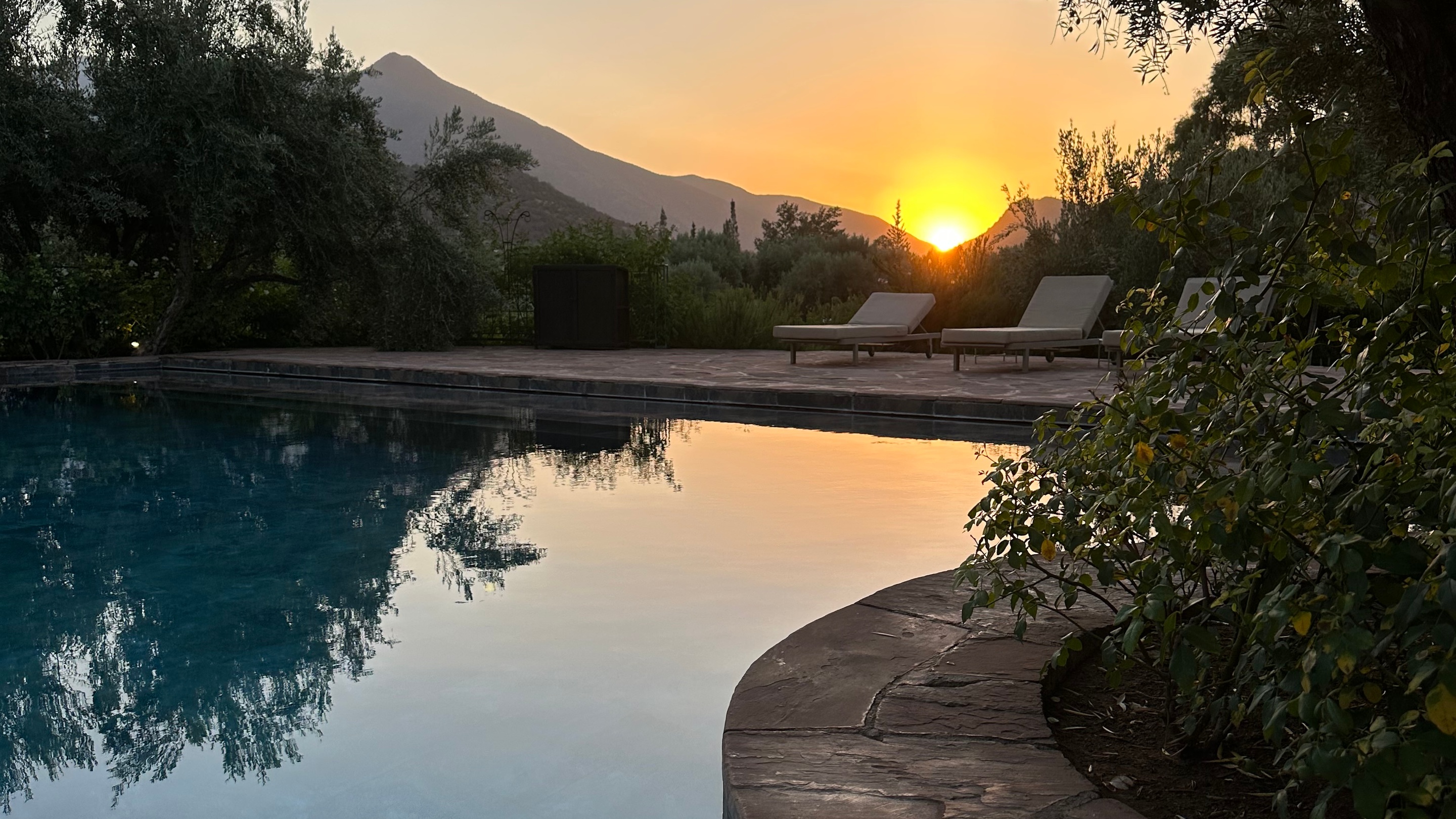
Luxury resort in the Atlas Mountains of Morocco
The Challenge
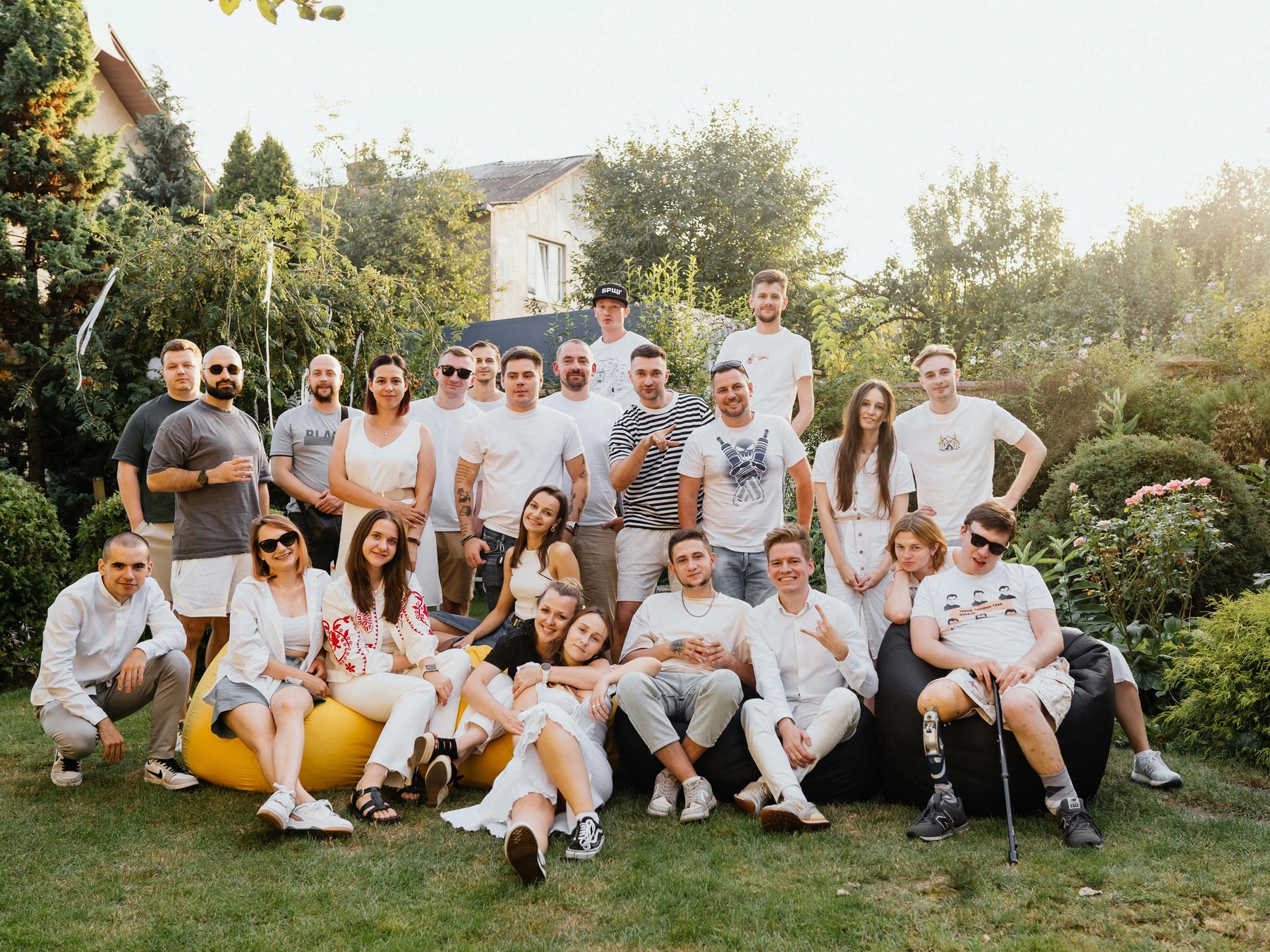
A travel-focused holding company was bringing together general managers across its 12 business units, each in a different country, for its annual leadership summit. The objective was knowledge sharing across the portfolio. The client needed leaders to compare what was working, identify common operating challenges, and learn from peers who were solving similar problems in different markets.
What ATC Did
Made the venue a reward
ATC sourced and privatized a hotel in the Atlas Mountains of Morocco. The location gave the group a focused setting away from day-to-day demands, while also creating a real sense of reward. That mattered for this audience. These were travel executives who spend their careers creating meaningful experiences for other people, but do not always get to enjoy those experiences themselves. The venue gave them a luxurious space to work, rest, go to the hammam, sit out and work by the pool, and overall reconnect with what makes travel special.
Set an agenda all about sharing
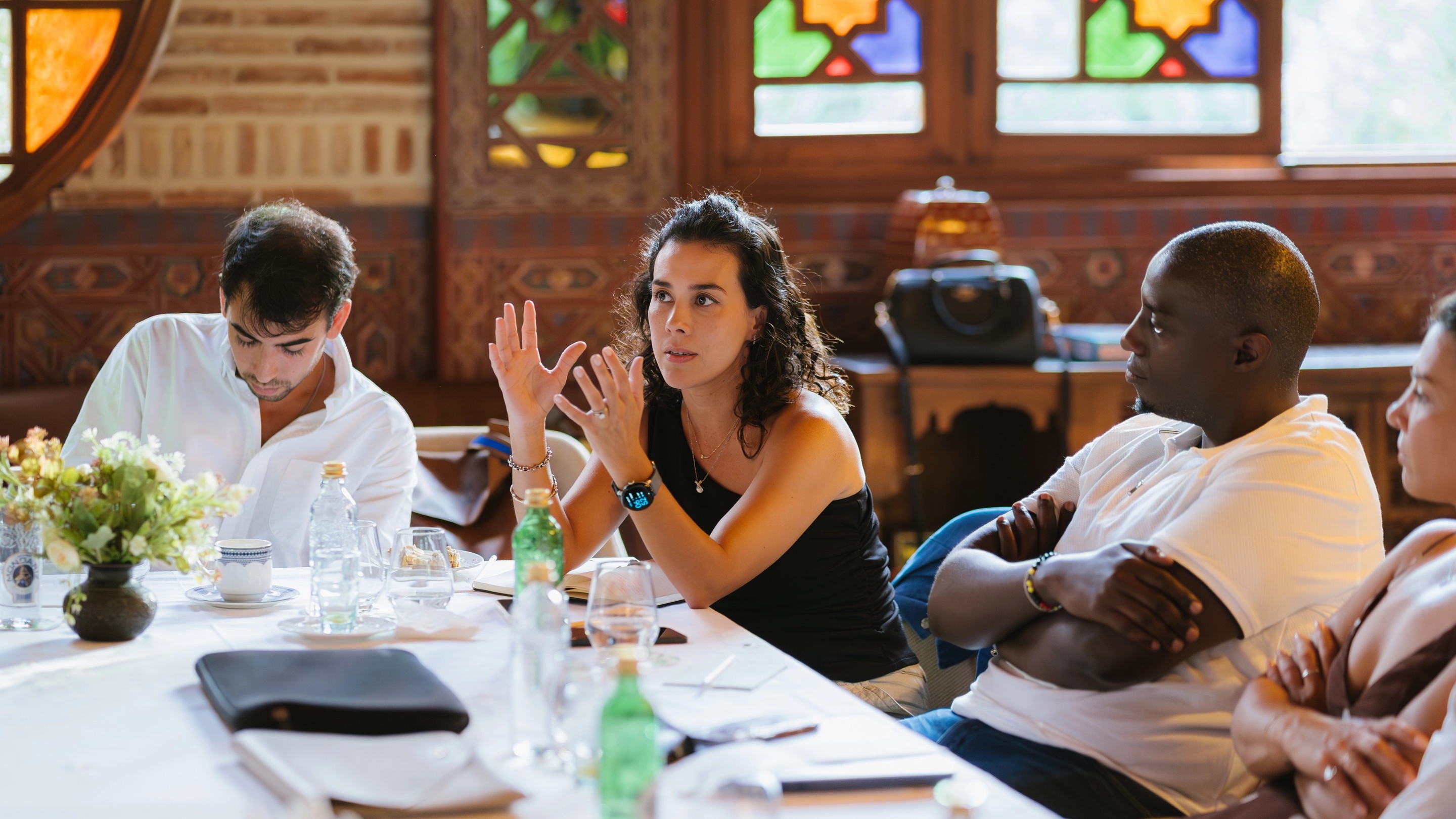
Rather than have a bunch of presentations by the HoldCo executive team about what the leaders should be doing in their business units, the working sessions were driven by the individual leaders instead.
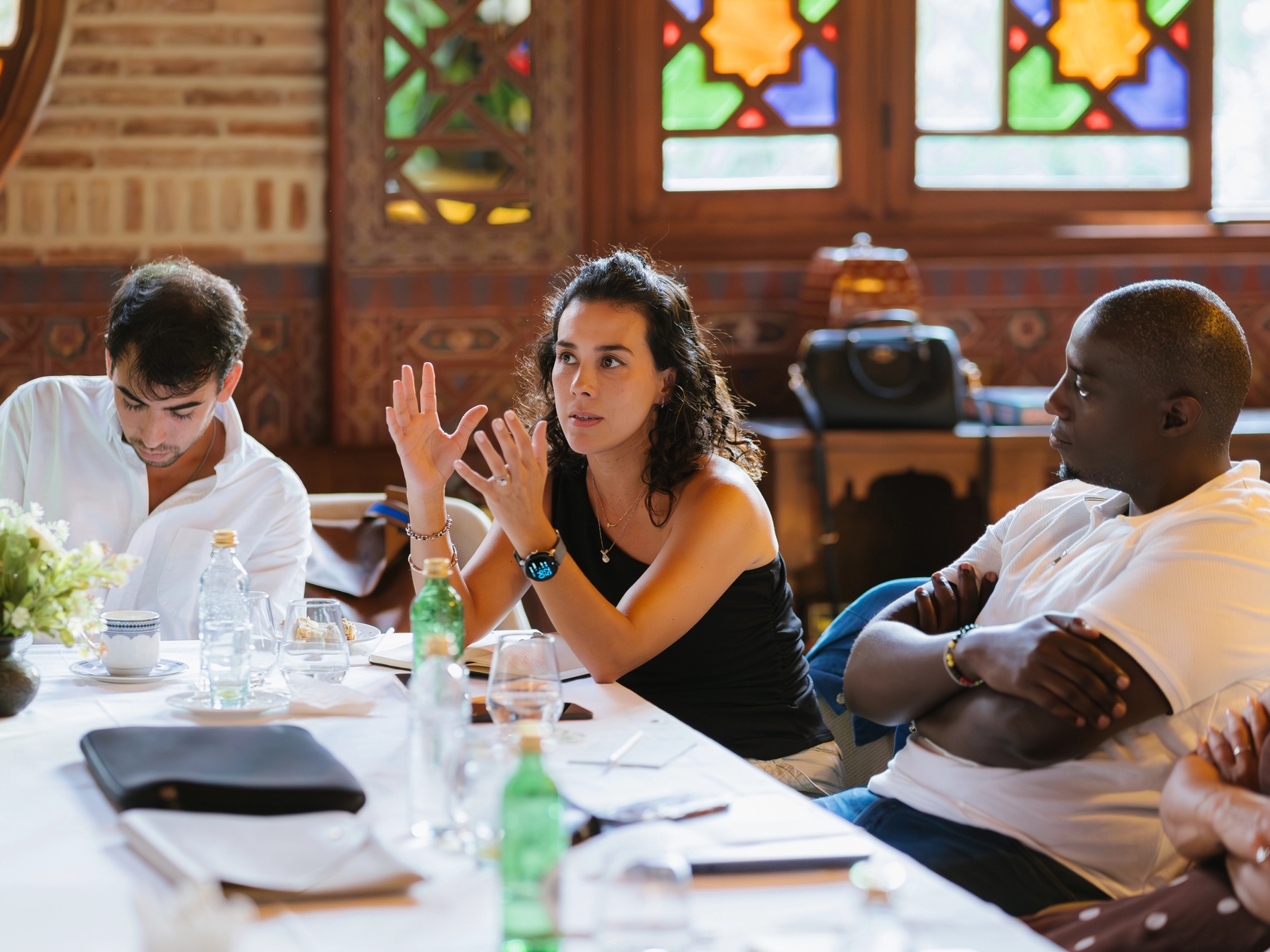
The executive team identified areas of improvement in the business units across sales, marketing, hiring, technology, customer success, and trip delivery. Then there was an AM and PM workshop each day led by the business unit leader strongest in that area. Each session included a 20 to 30 minute presentation on what the leader was doing to succeed in that tactical area, followed by 30 minutes of discussion with the other general managers. The structure kept the retreat practical. Leaders were not speaking in broad terms. They were sharing what had worked, what had not worked, and what could be adapted across other business units.
ATC also protected open time in the agenda, with just two working sessions each day, the free time gave room for the leaders to have one-on-one conversations, ask follow-up questions, and do informal problem solving. The downtime was intentional, not empty space.
Outcomes
The retreat gave the fund a stronger operating rhythm across a geographically dispersed portfolio. The leaders were asked to write down new tactics or best practices they’d learned through the retreat that they planned to immediately try implementing with their teams. Across the 12 leaders, 34 ideas and experiments were listed, the group leaving with action they could immediately take to improve their business units, rather than just vague discussions of strategy. Plus the close relationships forged with peers would enable them to continue the knowlegde sharing post-event.
By privatizing a luxury hotel in the Atlas Mountains, the group had space for focused work and real recovery. The setting helped the retreat feel like both a leadership summit and a reward for the hard work the general managers were doing across the portfolio.
Key Takeaways
1. Do not over-schedule executive retreats
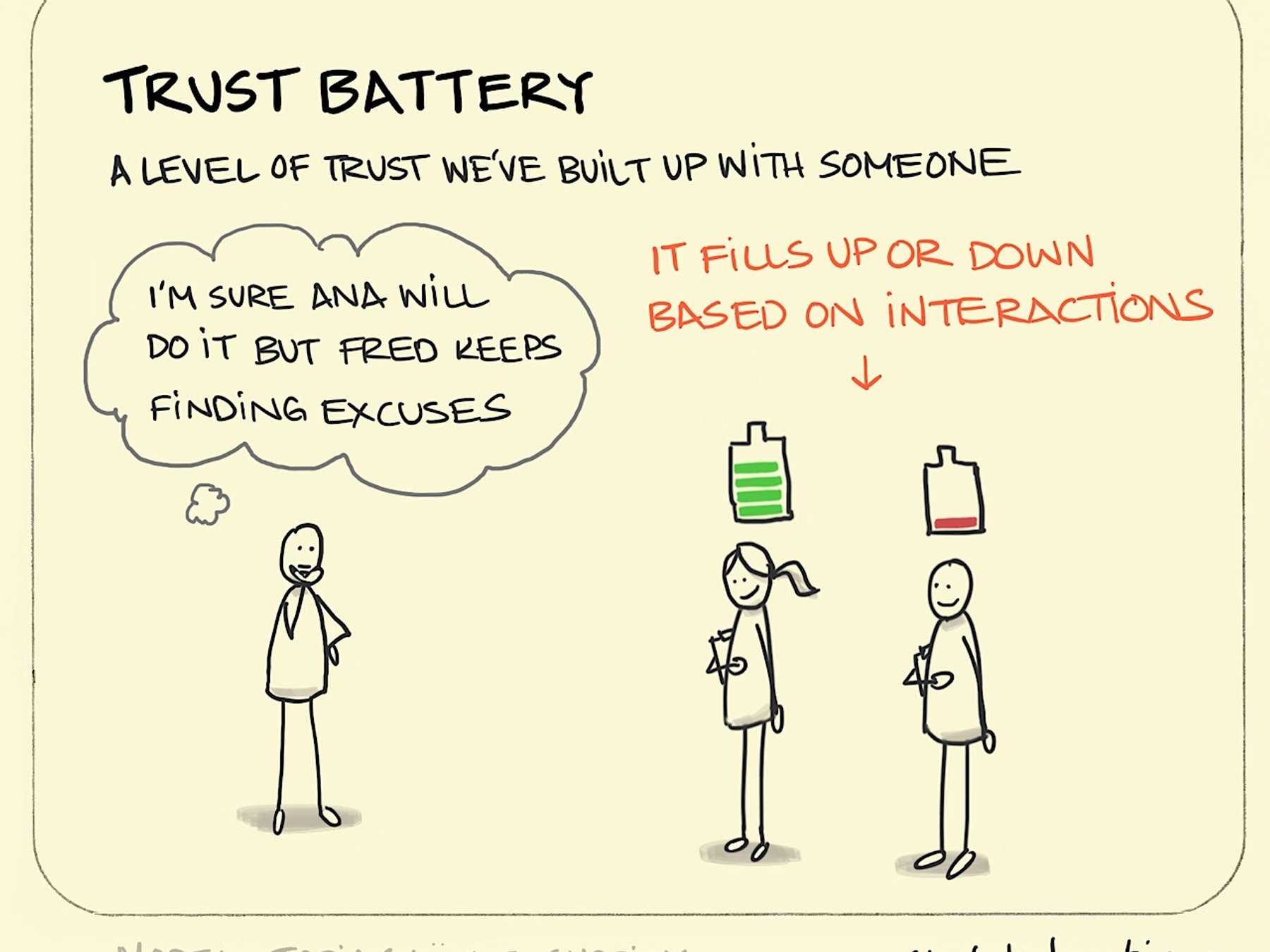
The most valuable conversations often happen between formal sessions. Executives need time to absorb what they heard, compare notes with peers, and decide how to apply the ideas inside their own teams.
2. Build the agenda around real business problems
The strongest sessions were tied to specific operating challenges: sales, hiring, technology adoption, customer support, and trip delivery. That made the retreat useful immediately, not just interesting in the moment.
3. A leadership retreat can also be a reward
When the audience is carrying significant responsibility, the experience should feel considered. A strong venue, enough downtime, and thoughtful pacing help leaders return with more energy, not less.